July 17, 2026
Communities continue to grow and change as older buildings make way for new development, updated infrastructure, and expanding businesses. Before many construction projects can begin, existing structures often need to be safely removed to prepare the site for its next purpose. This article explains why local commercial demolitions are becoming more common, what factors are driving the demand, and why seeking professional help is an important part of the process.
Supporting Community Growth
As cities and towns continue developing, many older commercial properties no longer meet current needs. Buildings that were once suitable for retail stores, offices, warehouses, or industrial operations may become outdated due to changing building standards, business demands, or community growth. Removing aging structures creates opportunities for new construction that better supports today's needs. Redevelopment projects often help revitalize business districts, improve access to services, and create space for modern facilities that better serve growing communities.
Redevelopment can also encourage new investment in surrounding areas. As older buildings are replaced with updated commercial spaces, nearby businesses may benefit from increased activity and improved accessibility. These changes often contribute to long-term economic growth within the community. Professional planning plays an important role throughout local commercial demolitions. Every project requires careful evaluation to determine the safest and most efficient way to prepare a site for future development while minimizing disruption to nearby properties.
Replacing Aging Structures
Many commercial buildings have been standing for decades. Over time, normal wear, changing weather conditions, and evolving building requirements can make older structures less practical for continued use. Some buildings simply reach a point where renovation is no longer the most practical option. Structural deterioration, outdated layouts, or changing business needs may make replacement a better long-term solution.
Older buildings may also have layouts that no longer support modern business operations. New construction provides opportunities to create spaces that better match current industry needs while making more efficient use of the available property. Seeking professional assistance for local commercial demolitions allows projects to begin with proper planning and careful site evaluation. Removing aging structures creates opportunities for new buildings that better support current safety expectations and modern business operations. Replacing outdated properties also gives developers greater flexibility when designing facilities that better match today's operational requirements.
Preparing Sites for Development
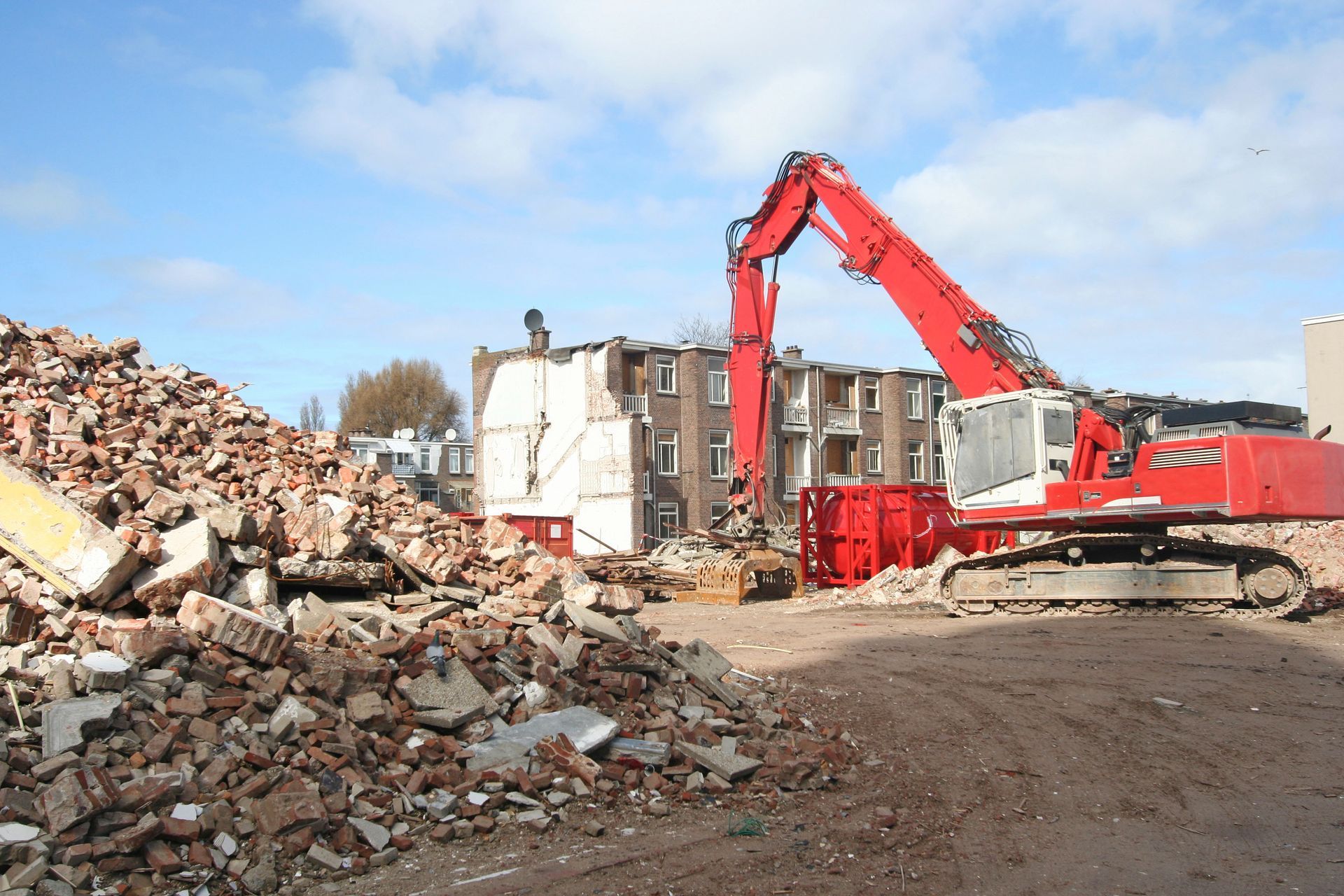
One of the primary reasons demolition projects take place is to prepare land for future construction. Whether the goal is a new office building, retail center, manufacturing facility, healthcare location, or public project, the existing structure often needs to be removed before new work can begin. Proper site preparation helps create a clean starting point for future development. Professional demolition planning also considers surrounding buildings, nearby utilities, traffic flow, and environmental conditions throughout the project.
Well-organized local commercial demolitions help keep redevelopment projects moving forward according to schedule. Beginning with proper site preparation allows construction teams to focus on building rather than addressing problems left behind by previous structures. Careful planning during the demolition phase also helps identify site conditions that may affect future construction. Addressing these considerations early can improve project coordination and help reduce unexpected delays later in the development process. A well-prepared site can also improve coordination between different contractors involved in the overall redevelopment project.
Supporting Infrastructure Improvements
Many demolition projects are connected to larger public improvement efforts. Roads, bridges, utility systems, transportation corridors, and public facilities often require older buildings to be removed before construction can begin. Clearing existing structures helps create space for upgrades that improve how communities function while supporting future development. These projects require careful planning to prepare sites for new infrastructure while limiting disruptions to surrounding areas.
According to Prescient & Strategic Intelligence, the government's Infrastructure Investment and Jobs Act has allocated 1.2 trillion dollars to improving roads, water systems, and the power grid, which is expected to keep demolition companies busy for many years to come. These large-scale infrastructure projects are creating continued demand for site preparation across many regions. As communities modernize public facilities and expand essential services, local commercial demolitions will continue playing an important role in making room for future improvements. Infrastructure projects often benefit entire communities by supporting transportation, utilities, and public services that are needed for long-term growth while creating opportunities for safer and more efficient spaces.
Improving Property Safety
Some commercial buildings develop conditions that make continued occupancy difficult or unsafe. Structural damage, fire damage, severe weather events, or years of deterioration may leave buildings in poor condition. When buildings become unstable or no longer meet current standards, removing them may reduce safety concerns while allowing the property to be used more effectively in the future.
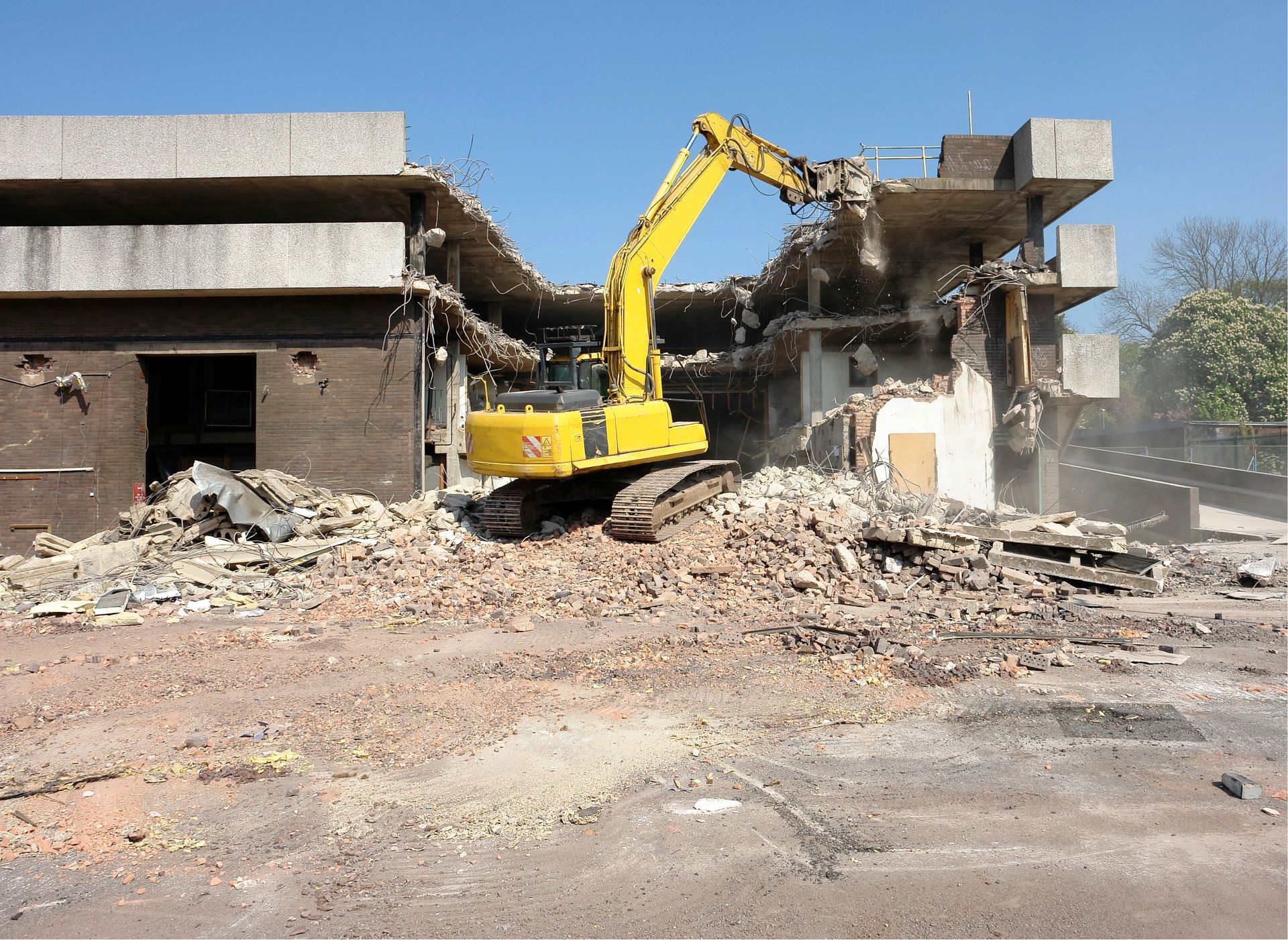
Professional evaluation is an important step before beginning local commercial demolitions. Careful planning helps identify structural conditions, nearby hazards, and other project considerations before work begins. Removing structures that have experienced significant deterioration can also improve the overall appearance of commercial areas. Vacant buildings in poor condition may discourage future development, while cleared sites often create opportunities for new investment. Removing unsafe buildings may also improve surrounding properties by reducing risks associated with deteriorating structures.
Managing Environmental Considerations
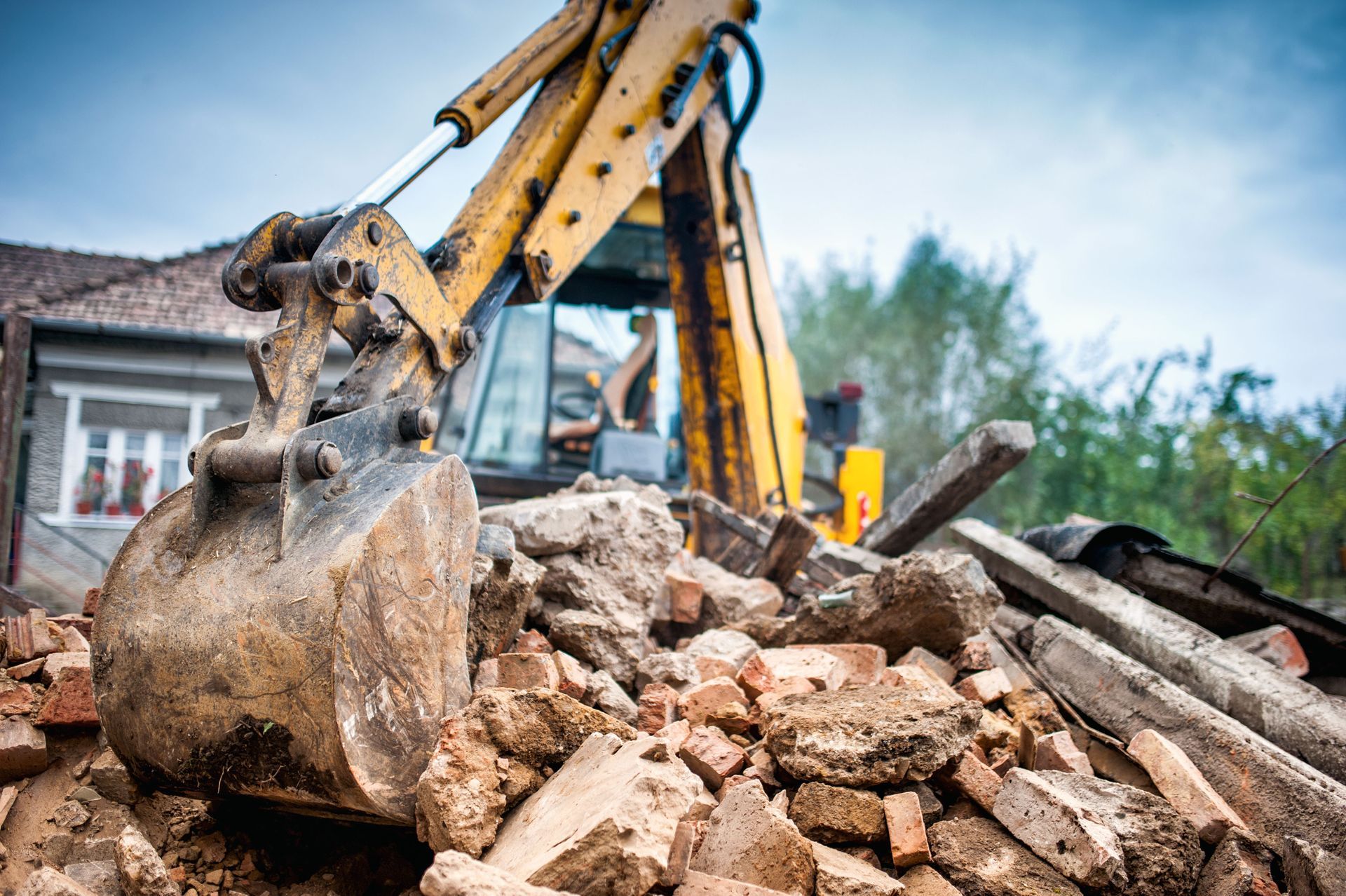
Modern demolition projects involve much more than simply removing a building. Environmental planning has become an important part of preparing commercial sites for redevelopment. Materials often need to be handled according to applicable regulations, while debris management requires careful coordination throughout the project. Planning also helps reduce unnecessary impacts on surrounding businesses and nearby properties.
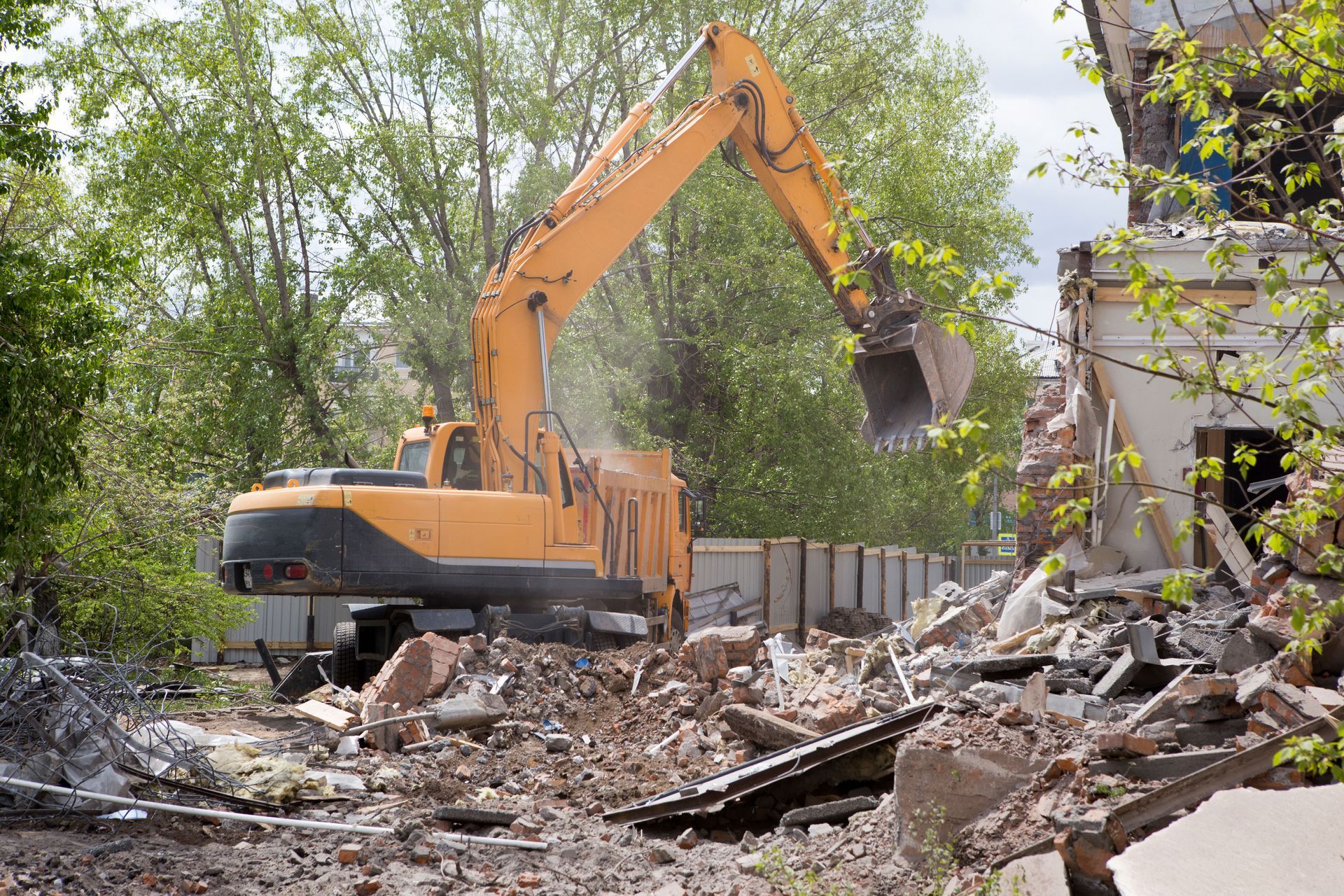
Environmental planning also includes organizing debris removal in a way that keeps the project site orderly throughout the demolition process. Careful coordination helps maintain efficiency while preparing the property for the next phase of development. Professional teams involved in local commercial demolitions understand the importance of organized site management throughout every phase of the project. Careful coordination supports safer working conditions while helping projects move forward efficiently. Environmental planning may also support future redevelopment by preparing the property for its next stage of construction.
Reducing Project Delays
Construction schedules depend on each phase of a project being completed in the proper order. Delays during site preparation can affect every stage that follows, making efficient demolition planning an important part of successful redevelopment. Professional project planning helps identify potential challenges before work begins. Site conditions, utility locations, access points, weather conditions, and surrounding buildings all influence project timelines.
Communication between project teams also plays an important role during site preparation. Keeping everyone informed about project progress allows construction activities to begin as soon as demolition work has been completed. Carefully managed local commercial demolitions help reduce unexpected interruptions while allowing future construction activities to begin on schedule. Early planning often creates a smoother transition from demolition to new construction. Better coordination also helps communication among project teams, allowing work to progress more efficiently from one phase to the next.
Commercial demolition projects involve careful planning, detailed evaluations, and coordination with multiple parties. Every property presents unique challenges based on its location, size, age, and surrounding environment. Professional guidance helps identify site conditions, safety considerations, and project requirements before demolition begins. Evaluating potential challenges early creates a more organized process from start to finish. As communities continue expanding and infrastructure investments increase, professionally managed demolition projects will remain an important step in preparing commercial properties for future development.
Commercial demolition plays an important role in supporting redevelopment, replacing aging buildings, improving public infrastructure, and preparing sites for future construction. As communities continue growing, professionally planned demolition projects help create opportunities for safer, more functional commercial spaces that meet today's needs. If your upcoming project requires local commercial demolitions, contact Upgrade Demolition & Recycling LLC to discuss professional site preparation and demolition solutions for your commercial property.