May 12, 2026
Commercial demolition is a highly structured process that requires careful planning, safety awareness, and environmental responsibility. Unlike small-scale teardown work, large structures involve complex materials, utility connections, and regulatory requirements. Every stage must be executed with precision to avoid unnecessary risks and delays. Professionals in commercial demolitions focus on controlled processes that prioritize safety and efficiency. Proper planning ensures that surrounding properties and infrastructure remain protected throughout the project. This level of coordination helps reduce disruptions and maintain compliance with local regulations. A well-managed approach is what separates professional work from unsafe or inefficient practices.
Planning Site Evaluation and Structural Assessment
Before any physical work begins, a thorough site evaluation is essential to understand the structure and its conditions. This includes identifying load-bearing elements, hazardous materials, and utility connections that must be disconnected safely. Detailed assessments help determine the most effective demolition strategy for the building type. Teams involved in commercial demolitions rely on this phase to minimize risks and avoid unexpected complications. According to The Environmental Magazine, the average building demolition generates 155 pounds of waste per square foot, highlighting the importance of careful planning to manage debris effectively. Understanding structural complexity allows crews to develop precise execution plans. A strong foundation of planning leads to safer and more efficient project outcomes.
Prioritizing Safety Protocols and Risk Management
Safety is one of the most important aspects of any demolition project, especially in commercial environments. Workers must follow strict protocols to prevent accidents and ensure controlled dismantling of structures. This includes using protective gear, securing the perimeter, and monitoring environmental conditions throughout the process. Commercial demolitions require coordination between multiple teams to ensure that every step is executed safely. Risk management strategies help identify potential hazards before they become serious issues. Proper communication between crew members is also essential for maintaining a safe work environment. A strong safety culture reduces the likelihood of injuries and property damage.
Managing Waste Removal and Material Separation
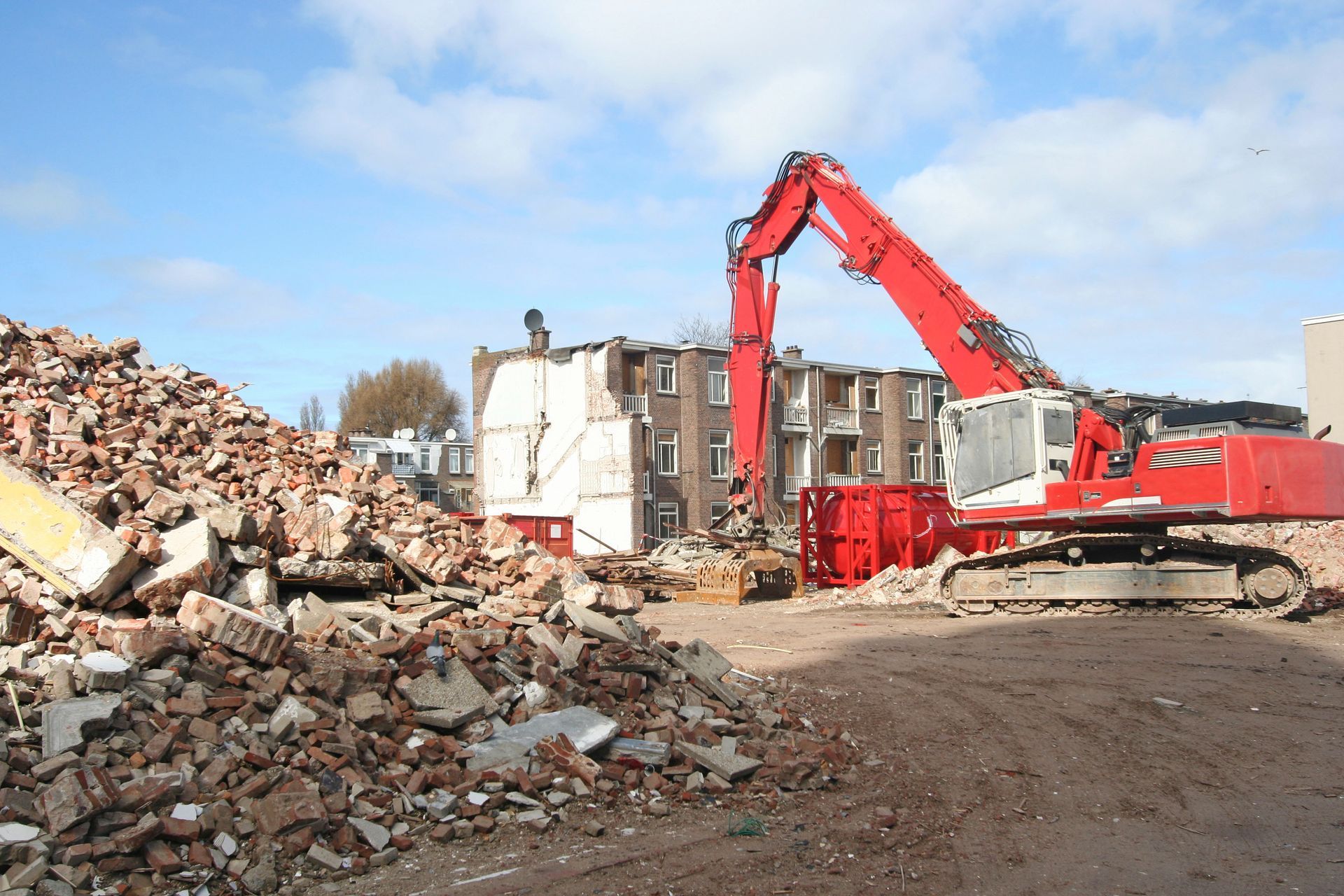
Waste management plays a critical role in modern demolition projects due to environmental regulations and sustainability goals. Materials such as concrete, metal, wood, and glass must be separated for proper disposal or recycling. Efficient sorting reduces landfill impact and allows for more responsible resource recovery. Teams working on commercial demolitions often implement recycling strategies to minimize environmental harm. Proper waste handling also helps streamline the cleanup process and reduce project delays. Careful separation of materials ensures compliance with environmental standards. Responsible waste management is an essential part of professional demolition services.
Utilizing Advanced Equipment and Technology
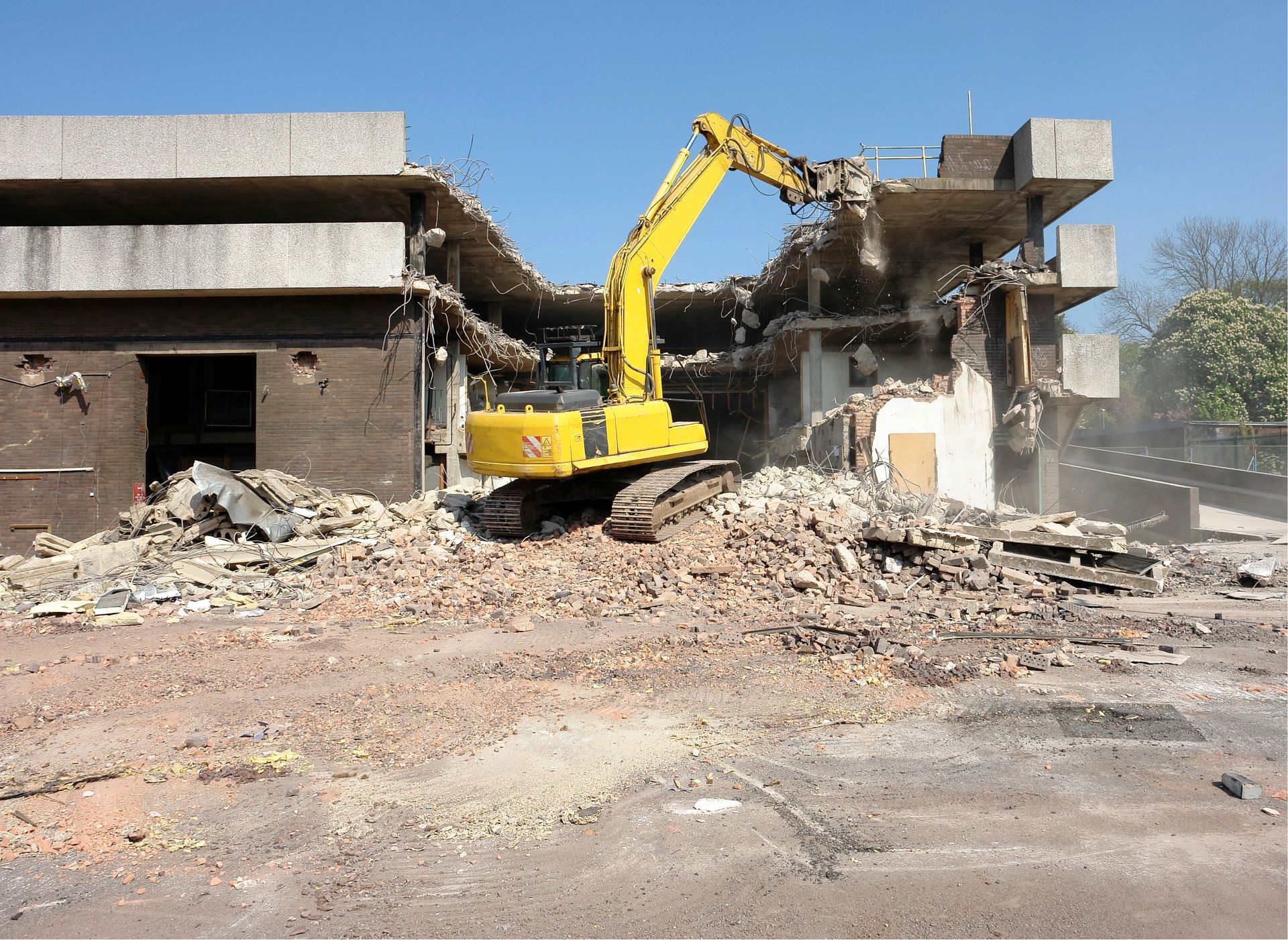
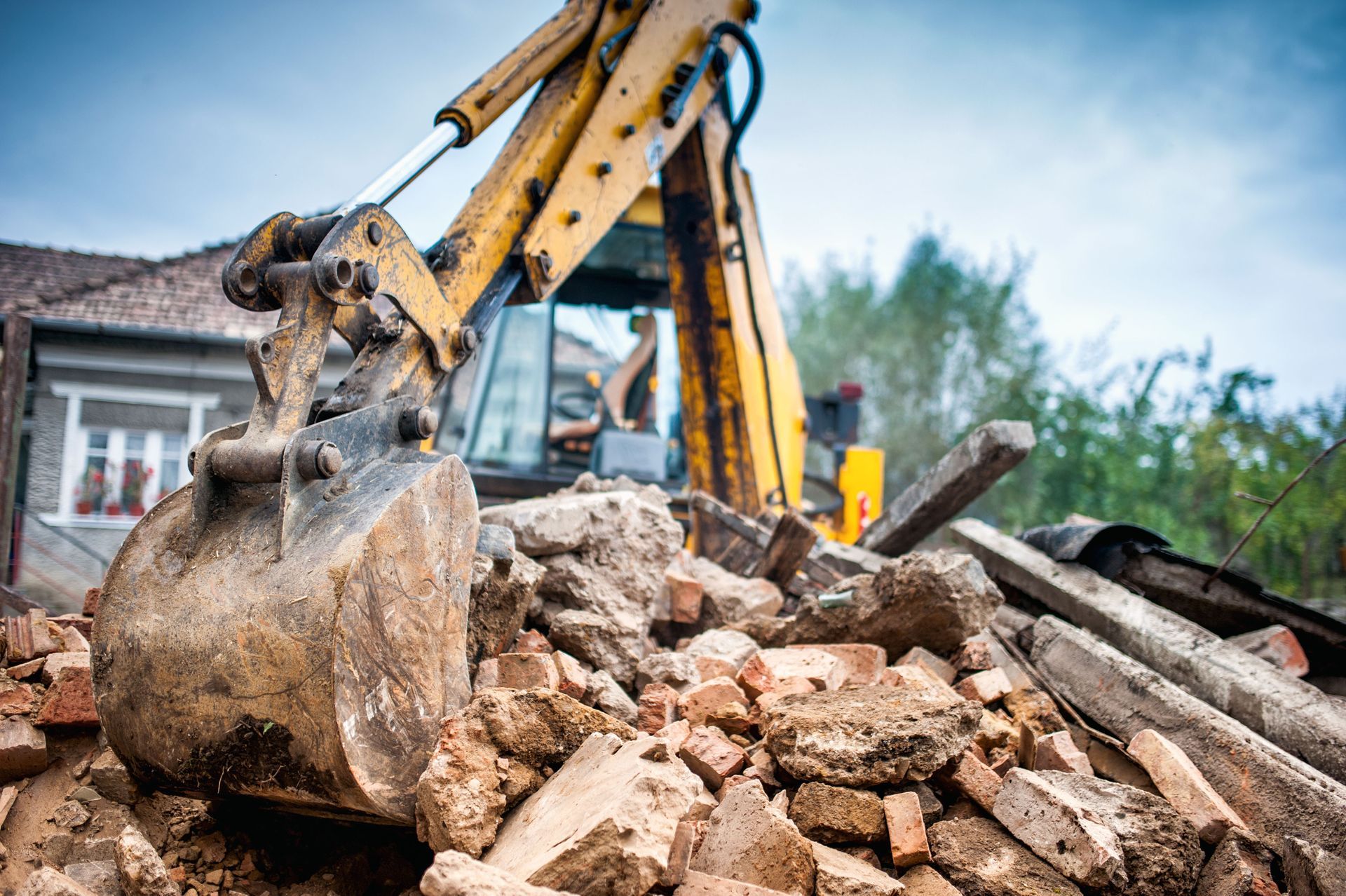
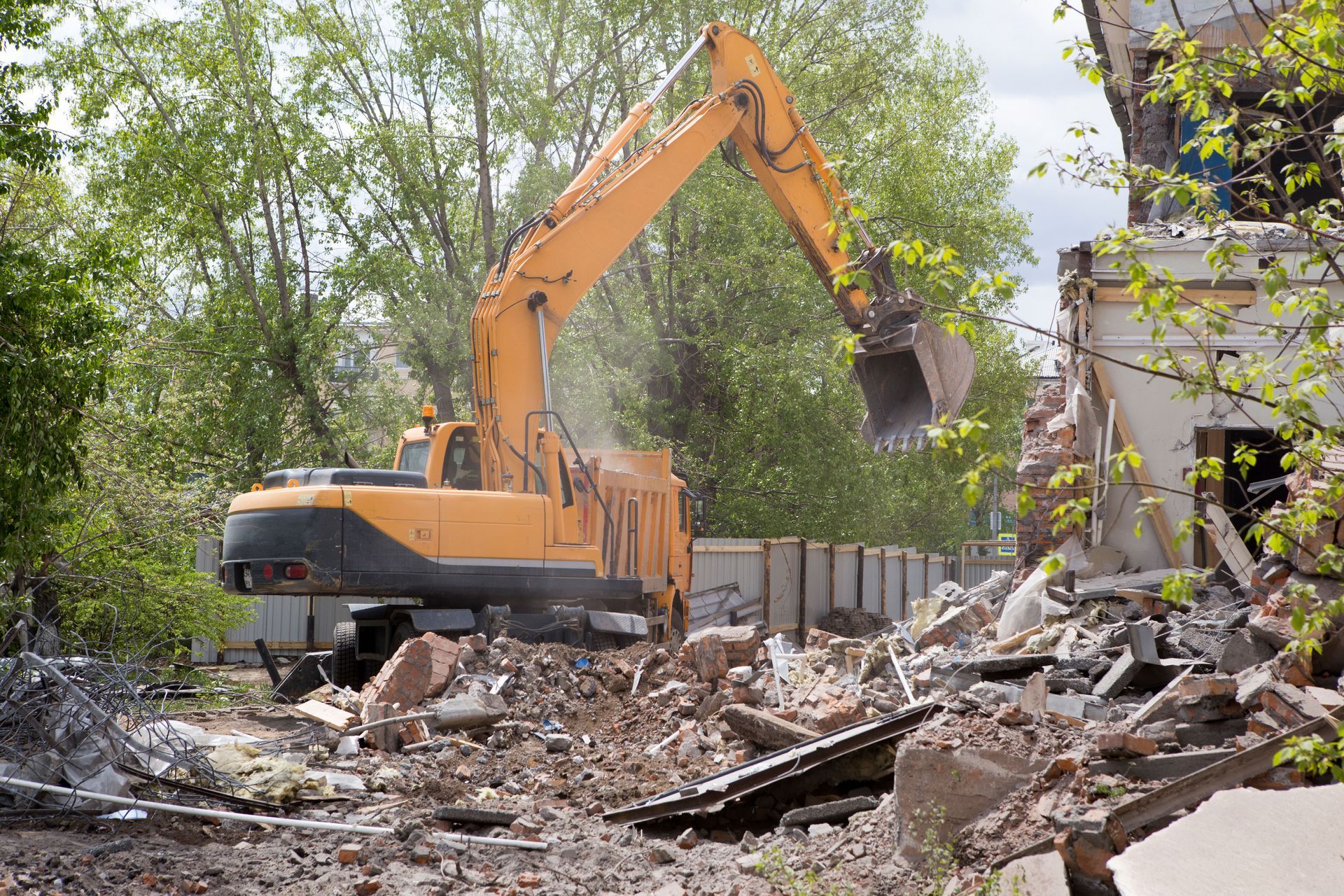
Modern demolition projects rely heavily on specialized equipment designed for efficiency and precision. Excavators, wrecking balls, hydraulic breakers, and robotic machinery are commonly used to handle different structural components. Technology allows crews to work faster while maintaining control over complex demolition tasks. In commercial demolitions, the use of advanced tools helps reduce manual labor and improve safety conditions. Equipment selection depends on the size, material, and location of the structure being removed. Skilled operators ensure that machinery is used effectively to prevent unnecessary damage. Technological advancements continue to improve the efficiency of demolition operations.
Ensuring Regulatory Compliance and Permits
Demolition projects must comply with local, state, and federal regulations before work can begin. This includes obtaining permits, conducting environmental assessments, and following zoning laws. Compliance ensures that all activities are legally authorized and properly documented. Commercial demolitions often require coordination with multiple agencies to meet regulatory standards. Failure to follow these requirements can result in fines, delays, or project shutdowns. Proper documentation and approvals protect both contractors and property owners. Adhering to regulations is a key component of responsible demolition work.
Reducing Environmental Impact Through Sustainable Practices
Sustainability has become an increasingly important focus in the demolition industry. Contractors are now expected to minimize environmental impact through recycling and waste reduction strategies. Reusing materials from demolished structures helps conserve resources and reduce landfill usage. Commercial demolitions often incorporate green practices such as material recovery and energy-efficient disposal methods. These efforts contribute to a more sustainable construction cycle overall. Environmental responsibility also improves community outcomes by reducing pollution and waste accumulation. Sustainable practices are becoming a standard expectation in modern demolition projects.
Coordinating Timelines and Project Efficiency
Time management is a crucial factor in large-scale demolition projects. Delays can lead to increased costs, safety risks, and scheduling conflicts with future construction. Careful coordination ensures that each phase of the demolition process is completed efficiently. Teams involved in commercial demolitions develop detailed timelines to keep projects on track. Efficient scheduling also helps manage labor, equipment use, and waste removal. Clear communication between stakeholders supports smoother project execution. Strong time management leads to faster and more predictable outcomes.
Managing Site Preparation and Final Cleanup
Once demolition is complete, proper site preparation is necessary to ensure readiness for future development. This includes clearing debris, leveling the ground, and verifying that all hazardous materials have been removed. Cleanup is a critical step in restoring the site to a usable condition. Commercial demolitions require thorough final inspections to confirm that no safety hazards remain. Proper site preparation helps transition the property smoothly into its next phase of use. Attention to detail during cleanup ensures compliance with safety and environmental standards. A clean and stable site is essential for future construction success.
Understanding the Value of Professional Expertise
Experience and expertise play a major role in ensuring successful demolition outcomes. Skilled professionals understand how to assess risks, manage equipment, and execute complex teardown procedures. In commercial demolitions, expertise ensures that projects are completed safely, efficiently, and within regulatory guidelines. Professionals bring knowledge of structural behavior, material handling, and safety protocols. This reduces the likelihood of errors and improves overall project quality. Reliable execution depends on both technical skill and practical experience. Professional oversight is essential for achieving consistent and safe results.
Enhancing Community Impact and Site Responsibility
Demolition projects in commercial areas often have a direct impact on surrounding neighborhoods, traffic flow, and nearby businesses. Because of this, responsible planning extends beyond the job site itself and includes consideration for the broader community. Dust control measures, noise reduction strategies, and traffic coordination are often required to minimize disruption. Teams working on commercial demolitions must communicate clearly with local authorities and nearby property owners to ensure awareness of project timelines. This helps reduce confusion and allows communities to prepare for temporary changes in their environment.
Commercial demolition is a complex process that requires careful planning, safety awareness, and environmental responsibility. From initial assessments to final cleanup, every step must be executed with precision and coordination. Proper waste management, regulatory compliance, and the use of advanced equipment all contribute to successful outcomes. Understanding the full scope of demolition work highlights the importance of professional expertise. When handled correctly, these projects support safe site transformation and future development opportunities. A structured and responsible approach ensures efficiency and reduces environmental impact. Professional execution remains the key factor in achieving reliable demolition results.
Responsible contractors also take steps to protect adjacent structures from vibration or debris damage during teardown. Upgrade Demolition & Recycling LLC will provide safe, efficient, and professional demolition services. Our experienced team specializes in handling complex commercial demolitions with precision, safety, and environmental responsibility. Contact Upgrade Demolition & Recycling LLC today to ensure your project is completed the right way from start to finish.