September 3, 2026
Bringing a building down safely and effectively is a highly coordinated operation that requires immense precision, deep knowledge, and rigorous planning. Whether it is an outdated commercial facility or a structurally unsound residential property, the entire teardown procedure involves far more than simply swinging a wrecking ball. When a structure reaches the end of its usable lifespan, property owners must navigate a highly complex sequence of events to clear the lot for future development. The entire journey from a standing structure to a completely clear, ready-to-build lot demands the expertise of seasoned professionals. Engaging high-quality demolition services ensures that every step of the project is handled with the utmost care, prioritizing safety, efficiency, and environmental responsibility at all times. A well-executed operation sets the foundation for whatever new construction will eventually take its place, making the teardown phase a critical part of urban renewal and property redevelopment. The process must be approached with a clear methodology, moving systematically from the earliest planning stages all the way through the final cleanup.
Conducting the Initial Site Assessment
Before any heavy machinery arrives on the property, a comprehensive evaluation must take place to understand the unique characteristics of the site. Experts begin by carefully reviewing historical blueprints, architectural drawings, and past renovation records to determine how the building was originally constructed. This thorough review helps identify load-bearing walls, structural weaknesses, and the materials used during the original build. Surveyors also inspect the surrounding environment to evaluate how the teardown might impact neighboring properties, local traffic patterns, and nearby pedestrian walkways. A successful operation hinges on this early diagnostic work, as it allows project managers to choose the safest and most efficient dismantling techniques. Proper planning minimizes the risk of unexpected structural collapses and ensures that the crew remains safe throughout the duration of the job. By relying on experienced demolition services, property owners can trust that every potential hazard has been identified and accounted for well before the physical work begins. This assessment phase ultimately culminates in a detailed strategic plan that outlines the timeline, the specific equipment required, and the exact methods that will be utilized to bring the structure down.
Securing the Necessary Legal Permits
Once the strategic plan is fully developed, the next vital phase involves navigating the complex web of local laws, zoning regulations, and municipal requirements. No structure can be legally dismantled without the appropriate authorizations from local government authorities. The permitting phase often requires submitting detailed project plans, safety protocols, and environmental impact studies to city planners and building inspectors. Local authorities review these documents meticulously to ensure that the proposed methods comply with strict safety standards and community ordinances. This step can sometimes be time-consuming, but it is absolutely essential to prevent legal disputes, hefty fines, or sudden project halts. Navigating this bureaucratic process smoothly requires a deep understanding of local compliance laws, which is why property developers depend heavily on professional demolition services to handle the paperwork. These experts have established relationships with municipal inspectors and understand exactly what documentation is required to keep the project moving forward without unnecessary delays. Securing these approvals not only legalizes the teardown but also provides peace of mind to the surrounding community, demonstrating that the operation will be conducted responsibly and in accordance with all established safety guidelines.
Removing the Hazardous Building Materials
With the necessary permits firmly in hand, the physical work at the site can finally commence, beginning with a rigorous environmental abatement process. Older buildings frequently contain dangerous substances that were once common in construction but are now known to pose severe health risks. Materials such as asbestos insulation, lead-based paint, and other toxic chemicals must be carefully extracted before any structural dismantling can take place. Specialized teams wearing heavy-duty protective gear meticulously remove these substances to prevent them from becoming airborne and contaminating the surrounding neighborhood. This abatement process is heavily regulated and requires specific containment strategies, including negative air pressure systems and specialized disposal procedures. Ensuring that these toxic elements are completely eradicated is a crucial component of modern demolition services, as it protects both the on-site workers and the local ecosystem from long-term harm. Once the hazardous materials are safely sealed and transported to designated disposal facilities, independent environmental inspectors typically return to the site to verify that the building is clean. Only after the structure has been officially cleared of all dangerous toxins can the heavy machinery roll in to begin the main teardown phase.
Executing the Main Structural Teardown
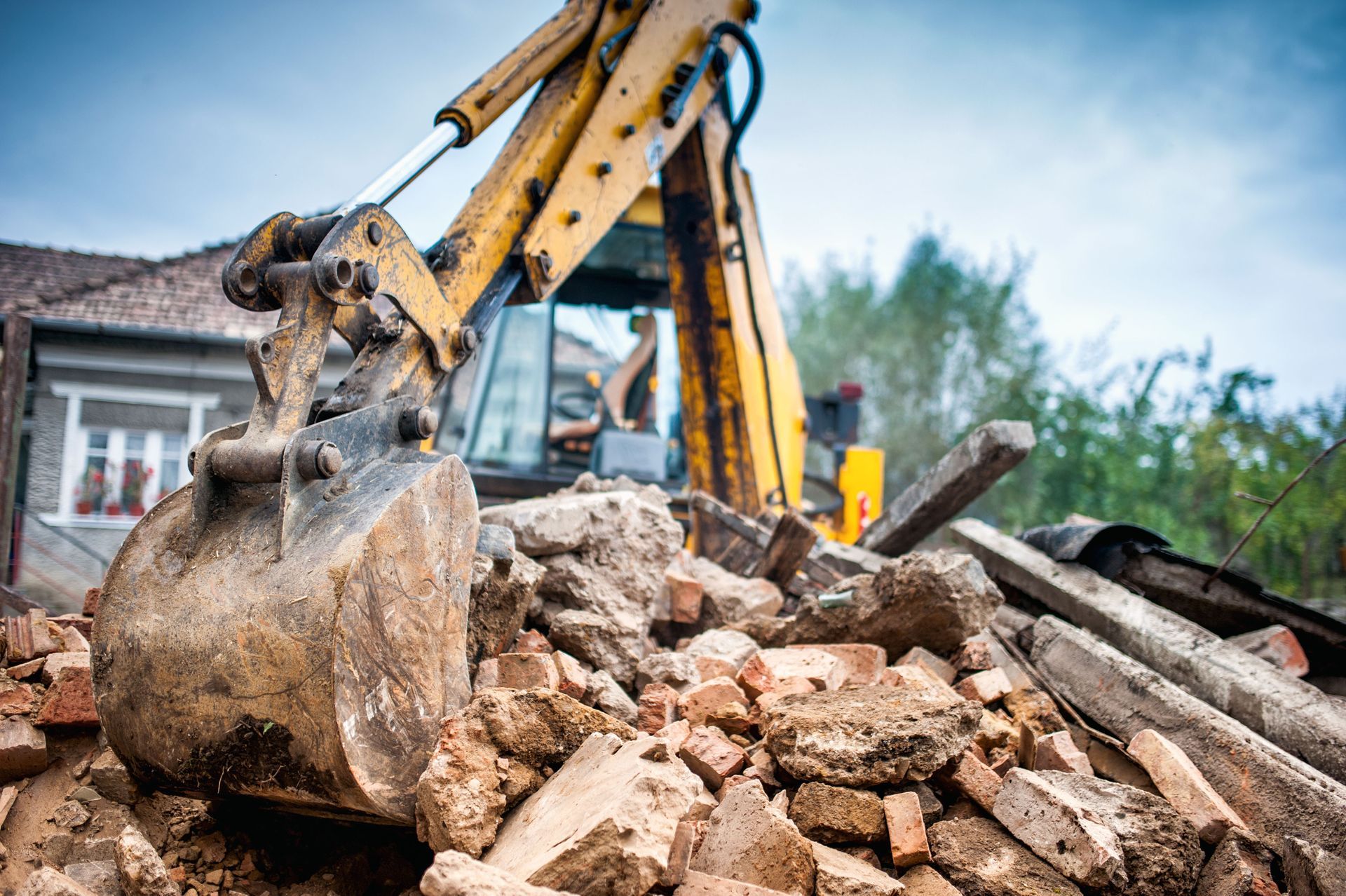
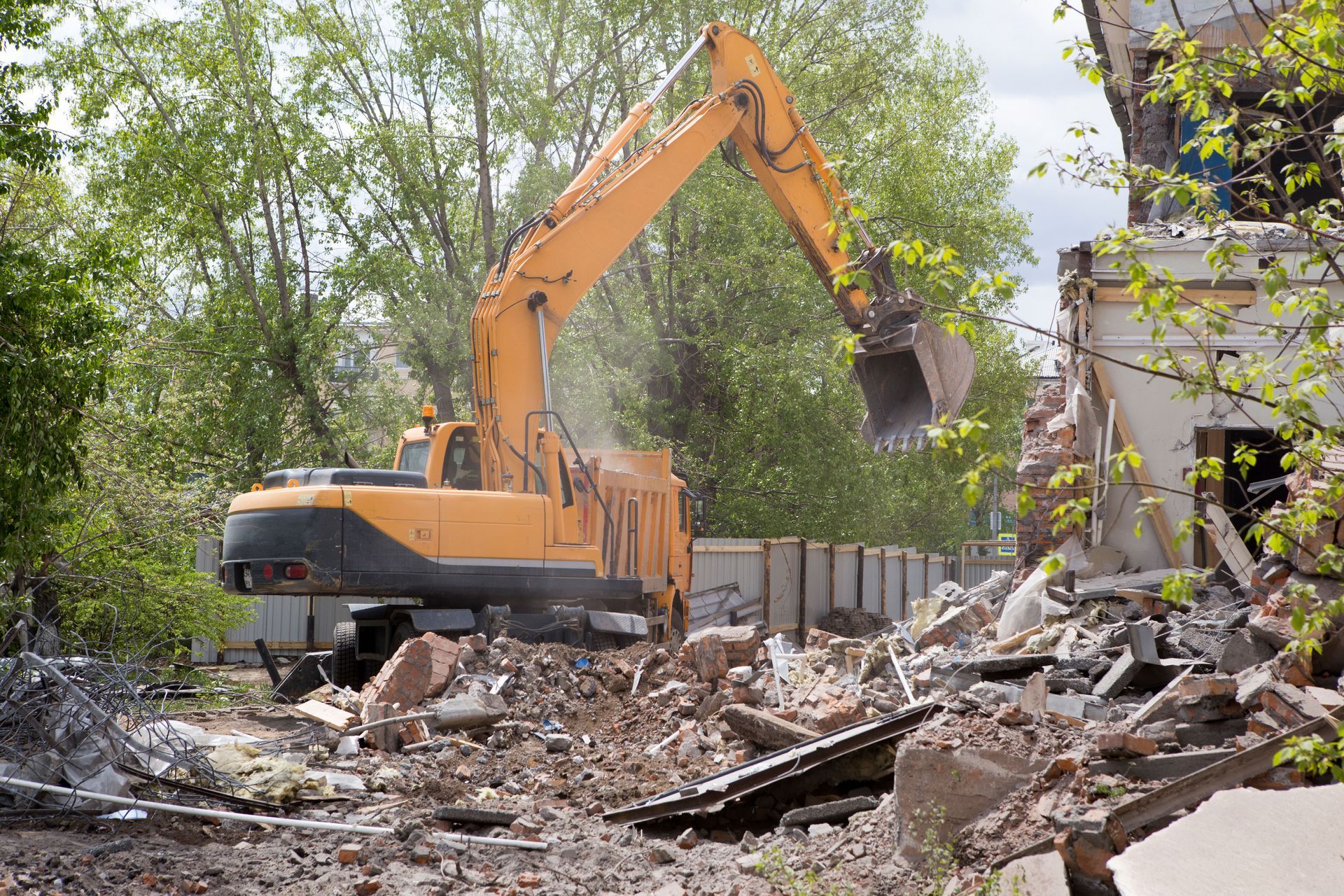
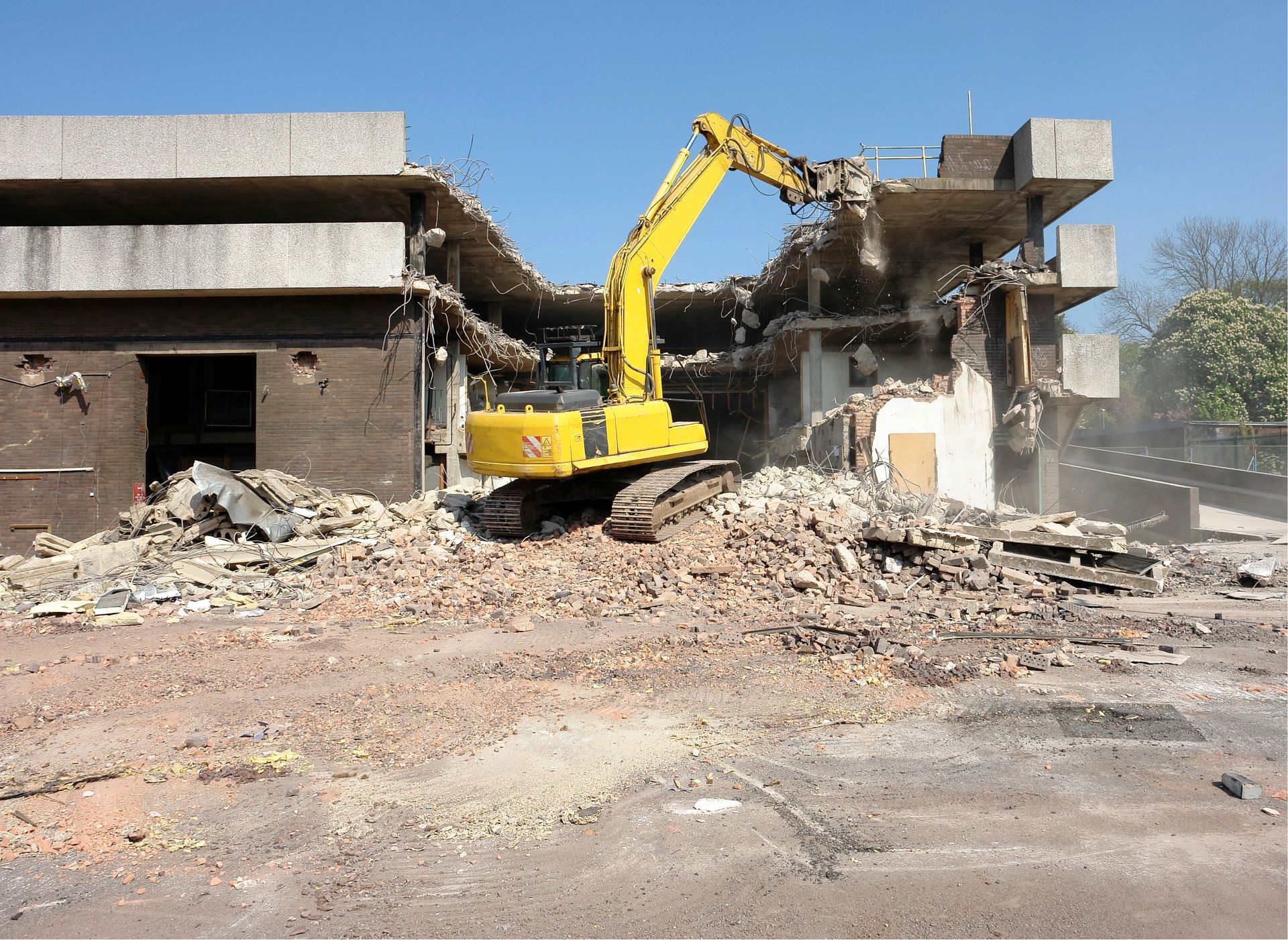
The most visible and dramatic phase of the operation is the actual physical deconstruction of the building. Depending on the size, location, and structural integrity of the property, crews will deploy various techniques to bring the edifice down safely. For smaller structures, excavators equipped with heavy-duty attachments like hydraulic shears and grapples systematically dismantle the building piece by piece. For taller or more complex buildings situated in dense urban environments, the team may employ a top-down approach, carefully dismantling the upper floors before working their way down to the foundation. This precise, calculated destruction requires highly skilled operators who understand how to control the direction of falling debris and maintain the stability of the remaining structure. A reliable provider of demolition services will constantly monitor the structural integrity of the building as it comes down, adjusting their techniques in real-time to prevent uncontrolled collapses. Dust suppression methods, such as continuous water spraying, are implemented to keep the air clean and improve visibility for the machine operators. As the walls and floors give way, the site begins to transform, paving the way for the final critical phase of the operation.
Managing the Resulting Project Debris
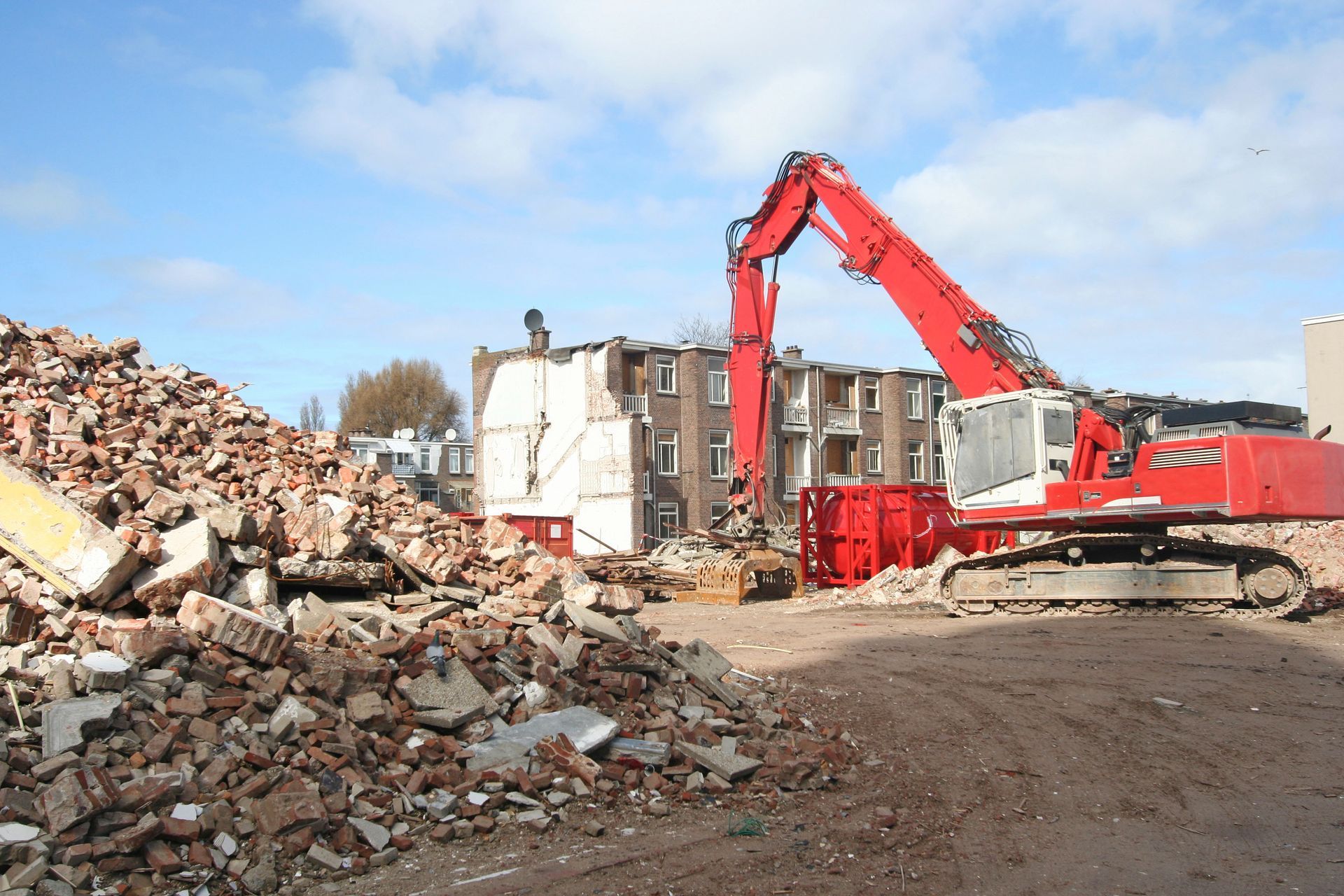
After the structure has been entirely leveled, the site is left with a massive volume of debris that must be carefully processed and cleared. The cleanup phase is just as important as the teardown itself, requiring a coordinated effort to separate and dispose of materials responsibly. Modern demolition services emphasize sustainability, making a concerted effort to salvage valuable materials like steel, copper, brick, and crushed concrete for future recycling. Sorting these materials out from the general waste stream significantly reduces the environmental footprint of the project and helps supply secondary markets with reusable building materials. According to The Environmental Magazine, the average building demolition generates 155 pounds of waste per square foot. Because the sheer volume of debris is so immense, effective waste management is a core competency of premier demolition services, critical to returning the site to a usable condition. Large dump trucks transport the non-recyclable refuse to approved landfills, while salvaged goods are sent to dedicated recycling centers. The final step involves breaking up the original foundation, backfilling the remaining excavation, and grading the soil to create a smooth, stable surface that is completely ready for the next phase of property development.
The journey from a standing, outdated structure to a clear and ready plot of land is a fascinating display of engineering, coordination, and heavy-duty labor. From the initial diagnostic assessments and bureaucratic permitting to the delicate removal of toxic materials and the forceful dismantling of concrete and steel, every stage requires deep expertise and unyielding attention to safety. Handling the massive volume of generated waste through responsible recycling and sorting further underscores the modern commitment to environmental stewardship. When you need to clear the path for your next major development project, you need a team that understands the intricacies of this demanding process from the roof down to the foundation. Call Upgrade Demolition & Recycling LLC today to learn more about how to safely and efficiently transform your property.